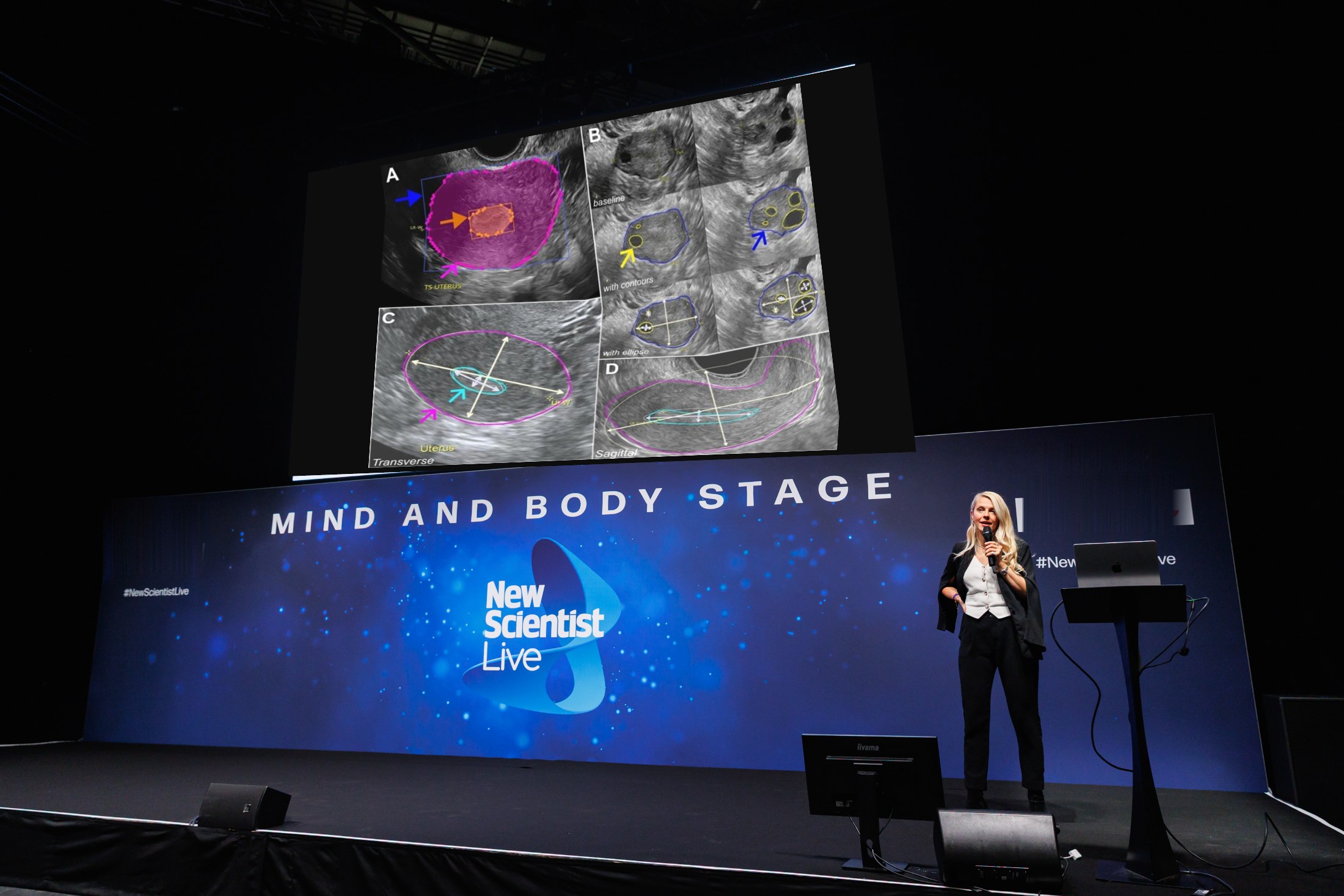
Dr Helen O’Neill
Associate Professor in Reproductive and Molecular Genetics at UCL, Innovation Lead at the UCL Institute for Women’s Health, and Founder and CEO of Hertility Health.
Dr Helen O’Neill
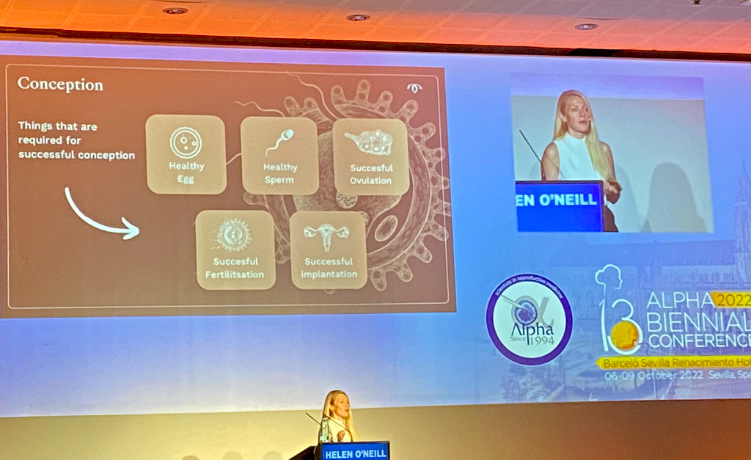
Dr Helen O’Neill is a reproductive geneticist. She holds an honours degree in Genetics and an MSc in Prenatal Genetics and Fetal Medicine from UCL, and completed her PhD and postdoctoral research on the genetics of ovarian development in the Department of Stem Cell Biology and Developmental Genetics at the National Institute for Medical Research, London. At UCL she lectures medical and postgraduate students in the Department of Maternal and Fetal Medicine.
Her research focuses on preimplantation genetics, the earliest stages of human embryo development, and the application of CRISPR genome editing to understand the genes that govern early development and reproductive health. She is a leading voice in the public engagement and ethical debate around genome editing, translating complex reproductive science for policymakers and the public.
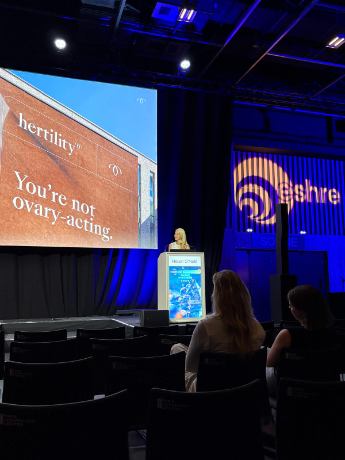
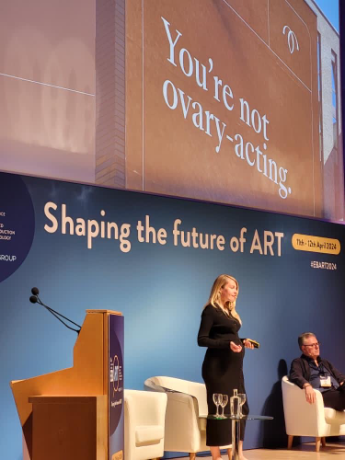
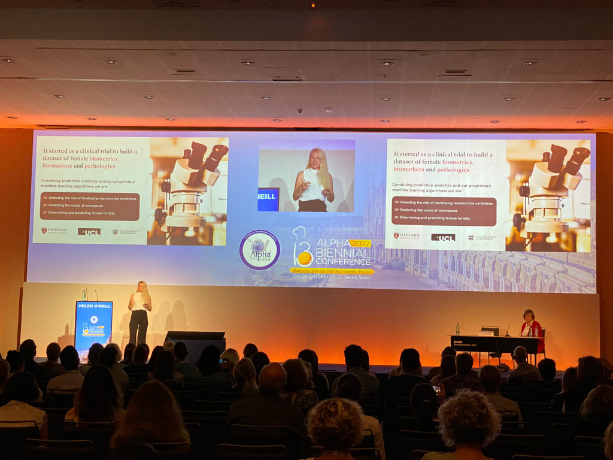
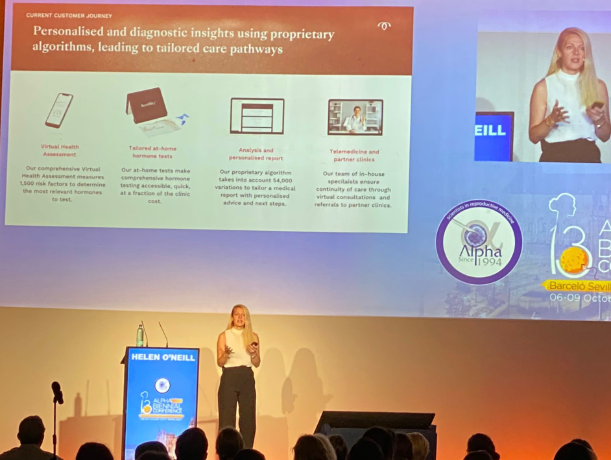
At Hertility Health, an award-winning women’s health company pioneering data-driven diagnostics and AI-enabled clinical care, she has built one of the world’s largest multimodal women’s health datasets, combining clinical records, blood biomarkers, symptoms and imaging. She leads the development of GYN-AI™, a machine-learning clinical decision platform supporting earlier and more accurate diagnosis, and has pioneered AI-driven automation of pelvic ultrasonography for scalable, standardised imaging. Hertility provides end-to-end gynaecology care from testing to treatment and was featured in Forbes as one of ten companies with world-changing potential.
She is a TEDx speaker and has been interviewed on the BBC, BBC World News, Sky News, The Guardian and Al Jazeera. She was named among the Top Twenty Women in Data (2019) and the Financial Times’ Top 50 Women in European Tech, and in 2026 was awarded both the World Economic Forum Technology Pioneers Prize and the American Society for Reproductive Medicine’s Imaging in Reproductive Medicine Prize Paper.
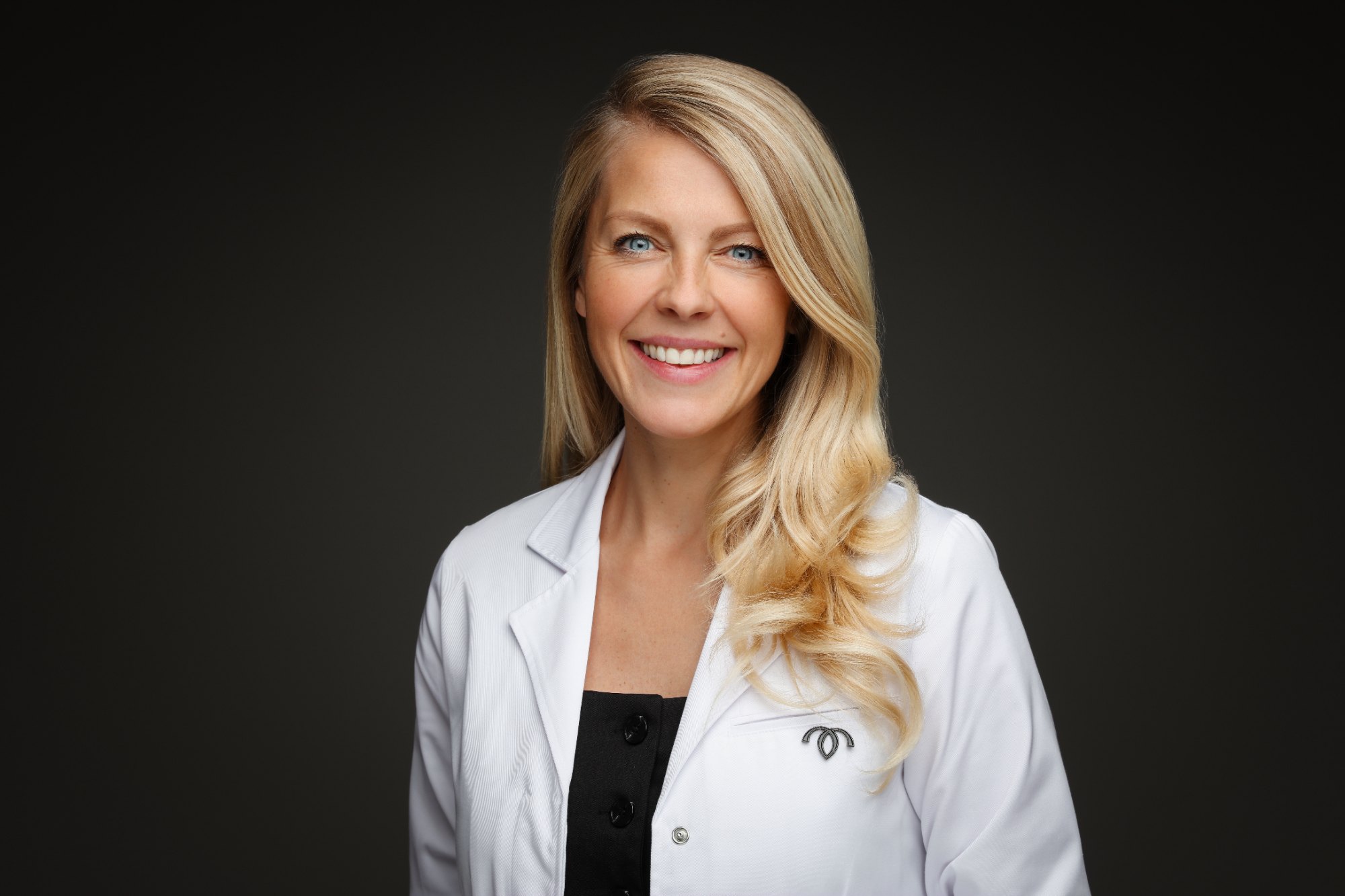
Broadcast and thought leadership
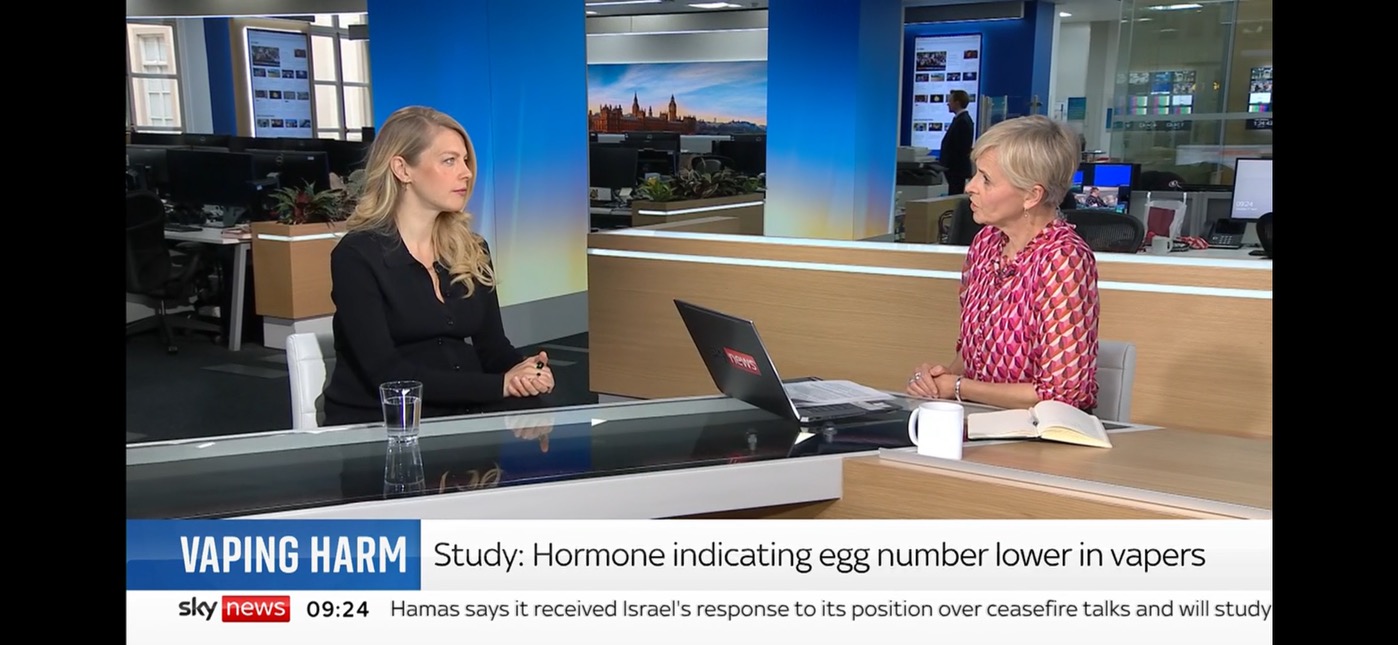
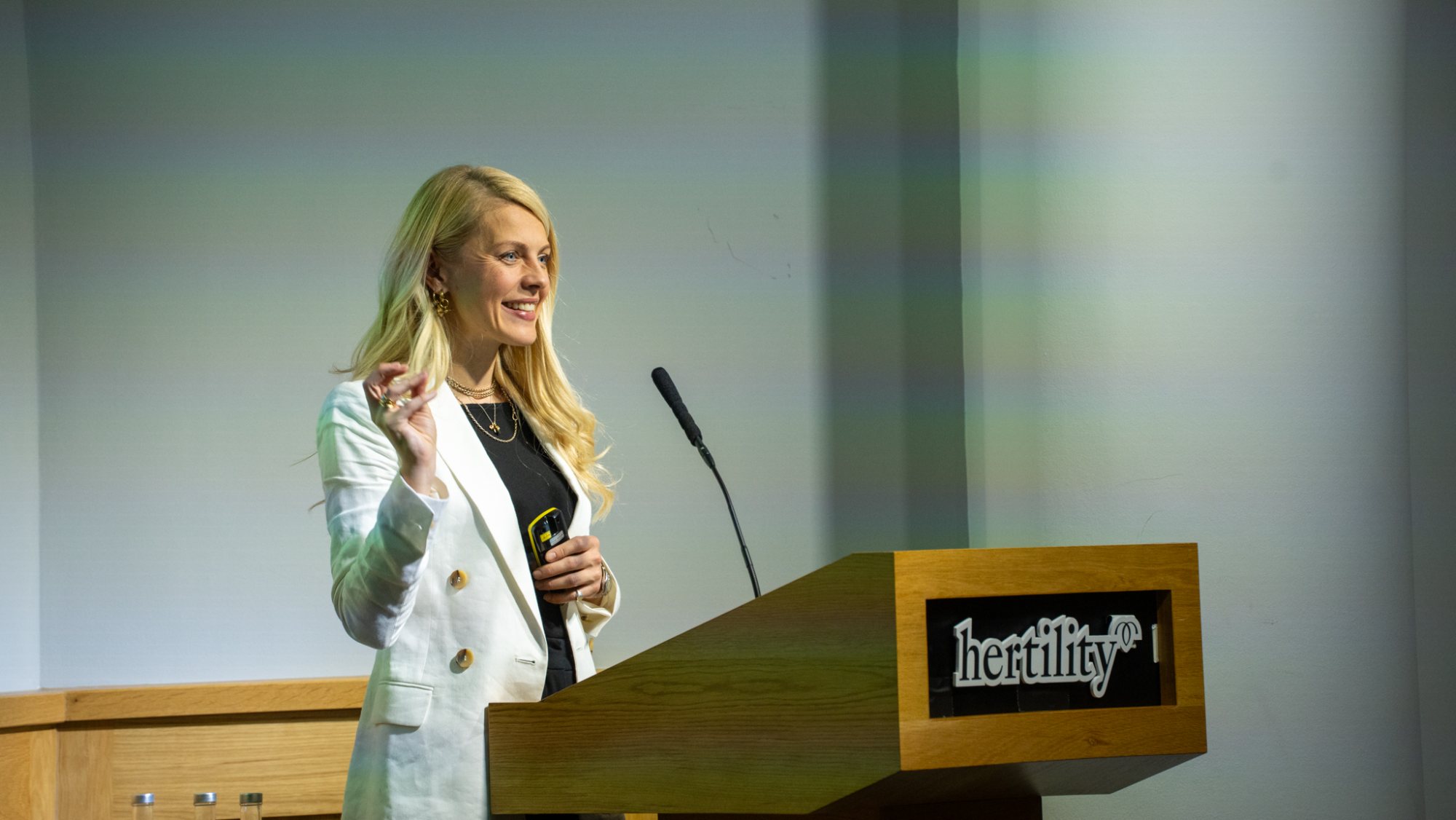

Editing our evolution
On genome editing, and the decisions we are already making about the human germline.

Peer-reviewed research
Awards and recognition
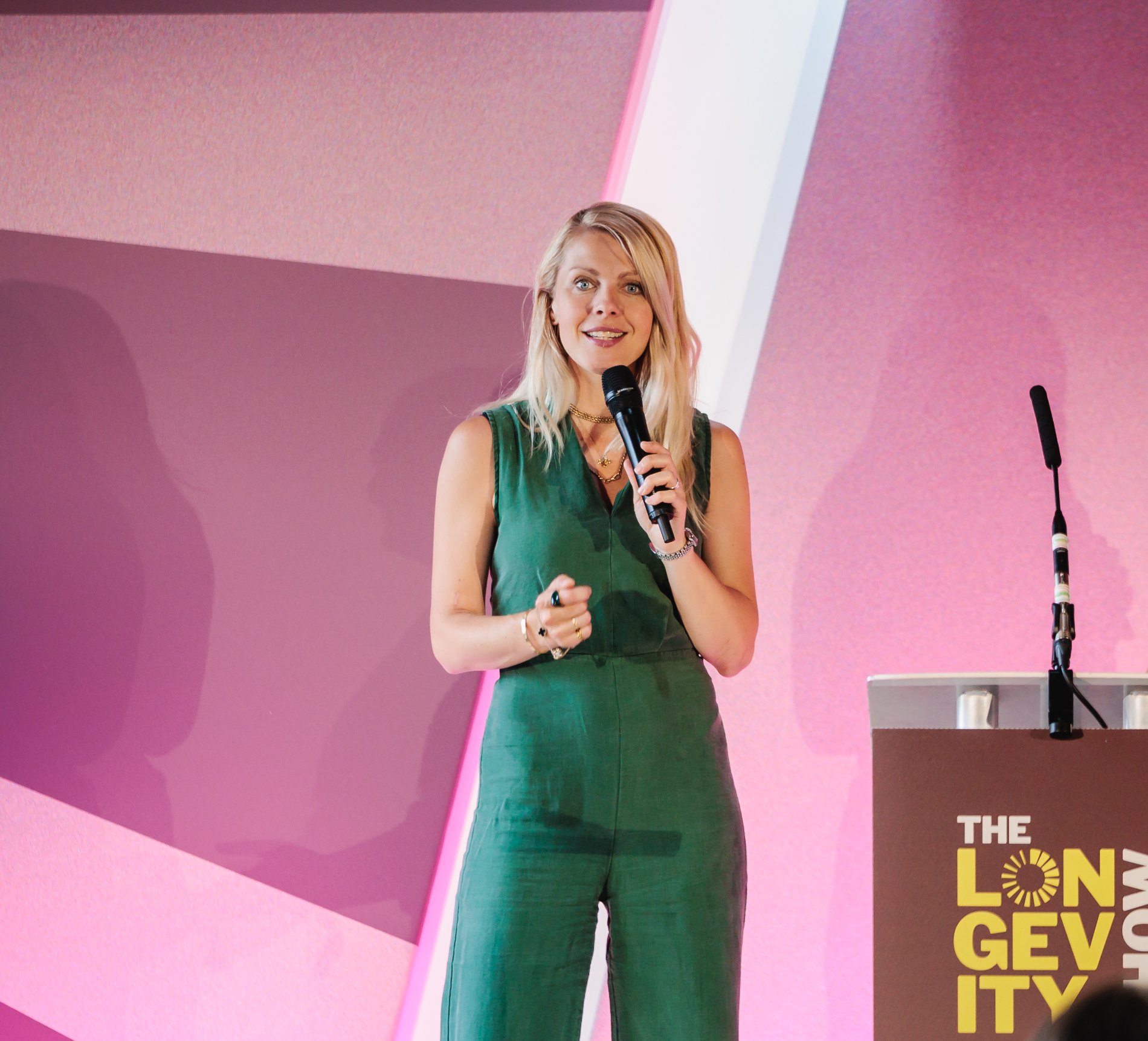
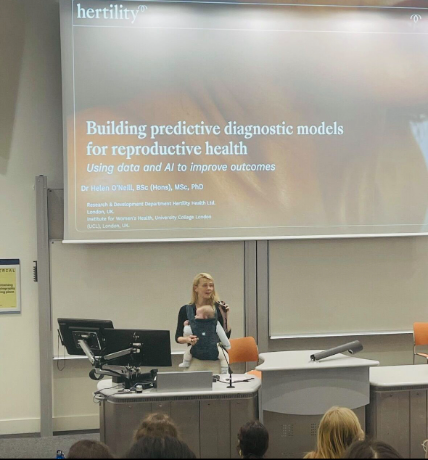
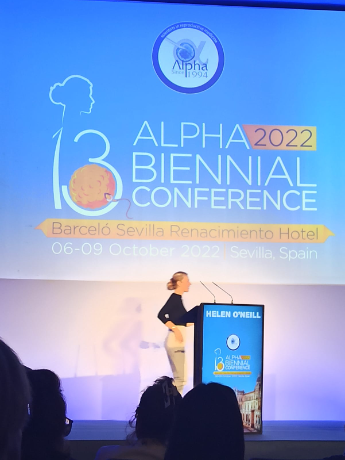
Invited and keynote lectures
Speaking enquiries
Include the date, location, audience and format.